
DENTAL PRACTICE MARKETING
Google Ads for Dentists That Turn Searches Into Patient Enquiries
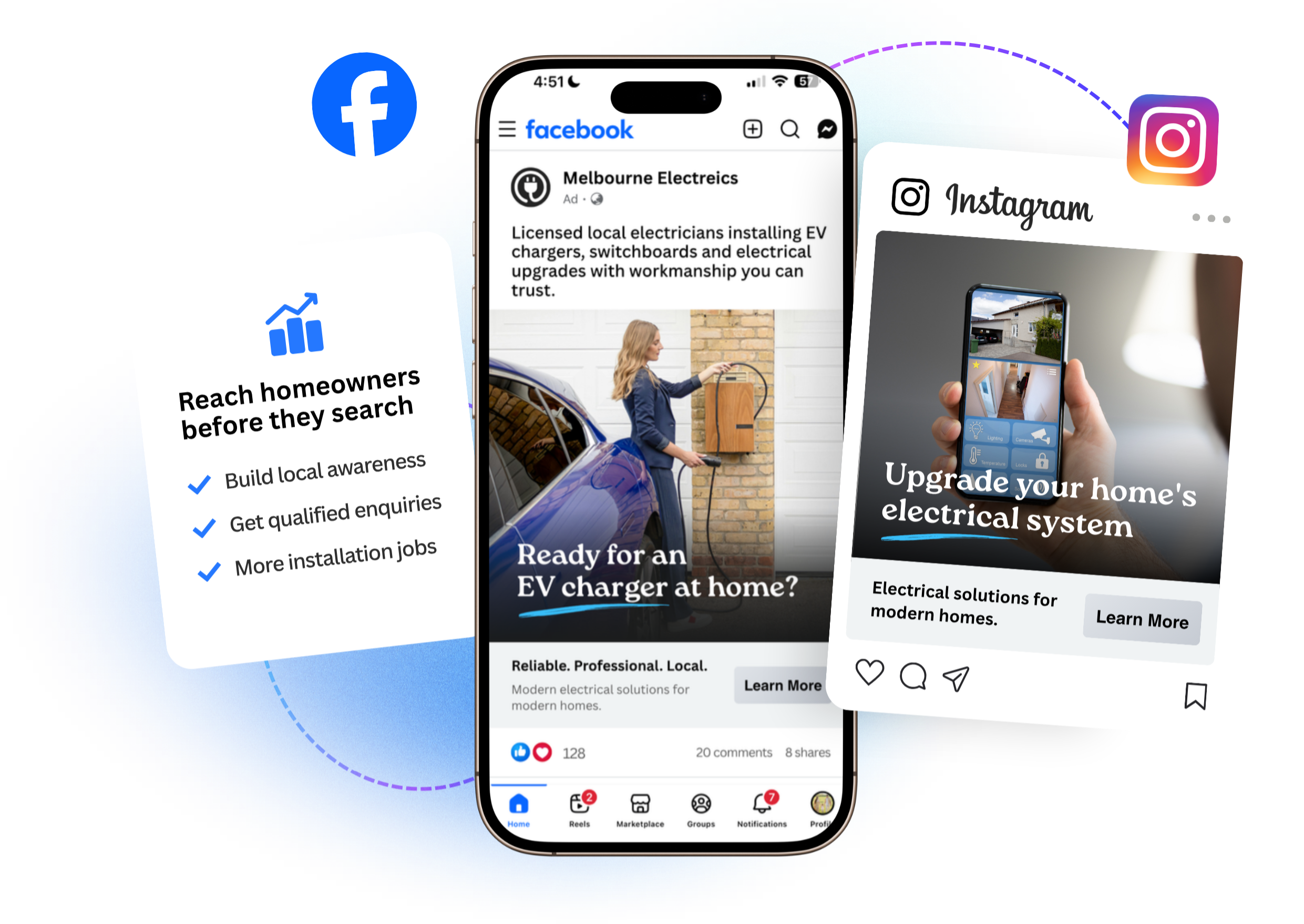
When someone needs a dentist, they often search by treatment, location and availability. We build Google Ads campaigns that help your practice appear for those high-intent searches, guide people to the right service page and make it easy to call or request an appointment.
No lock-in contracts
Transparent reporting
97% of consumers read online reviews before choosing a local business
BrightLocal, Local Consumer Review Survey 2026
The Australian Dental Opportunity
A Large Market, but Patients Still Choose Locally
Dental care is a substantial Australian service market, but each decision happens at practice level. Patients weigh location, appointment availability, treatment information, fees, trust and convenience. Google Ads can place a suitable clinic in front of them while that decision is active, without relying on broad awareness campaigns to create demand first.
$13.2 BILLION
Estimated total expenditure on dental services in Australia in 2023-24
Australian Institute of Health and Welfare, updated August 2026
54%
Australian Institute of Health and Welfare, updated August 2026
Australian Institute of Health and Welfare, updated August 2026
These figures describe the scale of dental care in Australia. They do not predict campaign results, which depend on location, competition, service mix, website quality, budget and how effectively enquiries are handled.
How Dental Patients Actually Search
Google Ads and Facebook Ads solve two different problems, and a campaign that treats them the same way tends to underperform on both
Different Dental Searches Need Different Campaigns
A person searching for urgent pain relief behaves differently from someone comparing clear aligners or planning an implant consultation. Putting every dental service into one campaign makes it difficult to control budget, match the message and understand which treatments are generating worthwhile enquiries.
Urgent and emergency care
Searches such as emergency dentist, broken tooth, severe toothache or after-hours dentist usually signal immediate intent. Ads should show location, current availability, a verified phone number and a clear route to contact the practice. Responsive search ads with call assets can support fast action without relying on the discontinued call-only ad format.
Routine and new-patient care
People searching for a dentist near them, a check-up and clean, a family dentist or a children's dentist are more likely to compare several practices. Clear service information, opening hours, parking or transport details, fees and payment information, and a simple appointment request can help the practice earn consideration.
Higher-consideration treatments
Dental implants, orthodontics, clear aligners, veneers and other planned treatments usually involve more research and a longer decision. These campaigns need their own keywords, budgets, landing pages and follow-up process. Advertising must explain options accurately without promising a particular clinical outcome.
Why Google Ads Works for Dental Practices
Capture Existing Patient Intent
Google Search connects a practice with people already looking for a dental service. Campaigns can be organised around treatment intent and service area, so budget is directed toward searches the practice can genuinely serve rather than generic health traffic.
Match the Search to the Right Page
An implant search should lead to a useful implant page. An emergency search should lead to urgent contact information. This alignment improves relevance for the patient and gives the campaign a stronger foundation than sending every click to the homepage.
Support Local Visibility
Search ads, location assets, a complete Google Business Profile and local SEO work together across the results page. Paid search creates immediate visibility while organic and map visibility build longer-term presence. We treat them as connected parts of the patient journey.
Measure Enquiries, not Vanity Metrics
Westend Digital's service includes conversion tracking through Google Tag Manager, call and form measurement, live Looker Studio reporting and ongoing optimisation. For dental campaigns, measurement should focus on appointment enquiries and suitable service demand while avoiding the transfer of sensitive treatment details into advertising platforms.
Healthcare advertising principle: The goal is not to pressure people into treatment. It is to help an appropriate practice become visible, explain its services accurately and offer a clear next step when a person is already seeking dental care.
A Dental Campaign Structure Built Around Services
Not every practice needs every campaign. We prioritise the services the clinic wants to grow, can deliver and has capacity to book.
General dentistry
dentist near me, new-patient appointments, check-ups, cleans and family dentistry.
Emergency dentistry
urgent pain, broken teeth, lost fillings and after-hours searches, subject to actual availability.
Restorative dentistry
crowns, bridges, dentures, root canal treatment and other services offered by the practice.
Implants and planned treatment
consultation-led searches that need detailed pages, realistic information and careful follow-up.
Orthodontic and cosmetic services
compare hooks, formats and calls to action without changing every variable at once.
Brand protection
a controlled campaign for the practice name, especially where directories or competitors appear for branded searches.
Search terms, negatives, geographic settings, clinic hours and appointment capacity are reviewed separately for each campaign. This makes it easier to shift budget toward the services producing suitable enquiries and pause areas that are not working.
Common Problems With Dental Google Ads
Dental campaigns often waste budget or create compliance risk when they are built like a generic local-service account.
One campaign covers every treatment, so emergency, preventive and elective searches compete for the same budget.
Broad keywords attract students, job seekers, DIY searches, definitions and people outside the practice's service area.
Ads make unsupported claims such as best dentist, pain-free treatment, guaranteed results or permanent outcomes.
Every click lands on the homepage instead of a page that answers the specific treatment search.
Calls and forms are counted as success without checking whether they became appropriate appointment enquiries.
Patient reviews are copied into ads or clinic-controlled landing pages even though testimonial advertising is restricted under the National Law.
Health-sensitive audience data is used for remarketing, Customer Match or advertiser-built lists without accounting for Google's personalised advertising rules.
Our approach combines intent-led campaign structure, verified tracking, landing-page review, negative keyword control and ongoing search-term analysis. The practice retains responsibility for clinical accuracy and final advertising approval.
Our Process
Discover
Audience mapping, competitor audit, and goal alignment for your service area.
Strategy
Channel selection, campaign structure, and KPI framework.
Execute
Campaigns live, creative and copy built in-house.
Report
Live dashboards and plain-English reporting, not narratives.
Refine
Kill what does not work, scale what does.
What's Included
Google Ads account audit, setup or restructure
Treatment-level keyword research and negative keyword build
Responsive search ads with relevant call, location, sitelink and callout assets
Service-area, schedule and device configuration
Landing-page review for message alignment, mobile usability, speed and appointment conversion.
Google Tag Manager and GA4 conversion tracking configured with healthcare privacy considerations
Call and form tracking focused on enquiry source rather than sensitive clinical information
Weekly search-term, bid and budget optimisation
Compliance-aware copy checklist and practitioner sign-off workflow
Dedicated account management and no lock-in contracts

In-house creative
Transparent reporting
Compliance-aware strategy
Google Ads for Dentists: AHPRA Compliance and Patient Privacy
Dental Google Ads campaigns also need to account for AHPRA advertising requirements and patient privacy. Testimonials about clinical services or treatment outcomes should not be used in advertising, and claims should avoid creating unrealistic expectations. Conversion tracking should measure actions such as calls and appointment enquiries without sending sensitive patient, diagnosis or treatment information to advertising platforms. Remarketing and Customer Match should also be used carefully, as Google restricts personalised advertising based on sensitive health information.
FAQs
Frequently Asked Questions
How much should a dental practice spend on Google Ads?
The right starting budget depends on location, treatment mix, search demand and competition. General dentistry, emergency dentistry, implants and orthodontics can have very different click costs and patient values. We review the market and recommend a test budget that can generate enough data to make useful decisions rather than quoting one figure for every clinic.
How quickly can Google Ads generate dental enquiries?
Ads can begin appearing after the account, billing and policy reviews are complete. Early calls or forms may arrive quickly, but the first several weeks should be treated as a learning period for search terms, conversion quality and landing-page performance. Results are not guaranteed and should be assessed against real campaign data.
Can you advertise emergency dental appointments?
Google Ads primarily captures existing demand from people actively searching. Facebook and Instagram can build demand and familiarity while people browse. A dental practice may use Google for urgent or high-intent searches and Meta for educational creative, local awareness and longer-consideration services. The right mix depends on the clinic's goals.
Can Google Ads promote implants, orthodontics or cosmetic dentistry?
These services can be promoted when the practice is appropriately registered and the ads comply with Google policy, Australian law and professional advertising requirements. Claims must be accurate, evidence-based and reviewed by the practice. Avoid guarantees, unrealistic before-and-after expectations and pressure-based language.
What is the difference between Google Ads and SEO for a dentist?
Google Ads buys immediate visibility while the campaign is active. SEO builds organic and local visibility over time. Dental practices often benefit from both: paid search captures current demand, while SEO and a strong Google Business Profile build a longer-term source of enquiries.
Can campaigns target specific Melbourne suburbs?
Yes. Campaigns can focus on the suburbs and radius a practice can realistically serve. Location settings, excluded areas, location assets and suburb-level search terms should be reviewed together so budget is not spent on people unlikely to attend the clinic.
How do you track whether the campaign is working?
We track agreed actions such as calls, appointment-request forms and booking events, then report cost and volume by campaign. Tracking should collect only the information needed for attribution. Diagnosis, symptoms and treatment details should remain in the practice's clinical or booking systems rather than being sent to advertising platforms.
Do you require a lock-in contract?
No. Westend Digital states that its Google Ads management is provided without lock-in contracts. Performance is reviewed through a live dashboard, regular optimisation and strategy conversations.