DENTAL PRACTICE MARKETING
Facebook Ads for Dentists That Build Trust Before the First Appointment
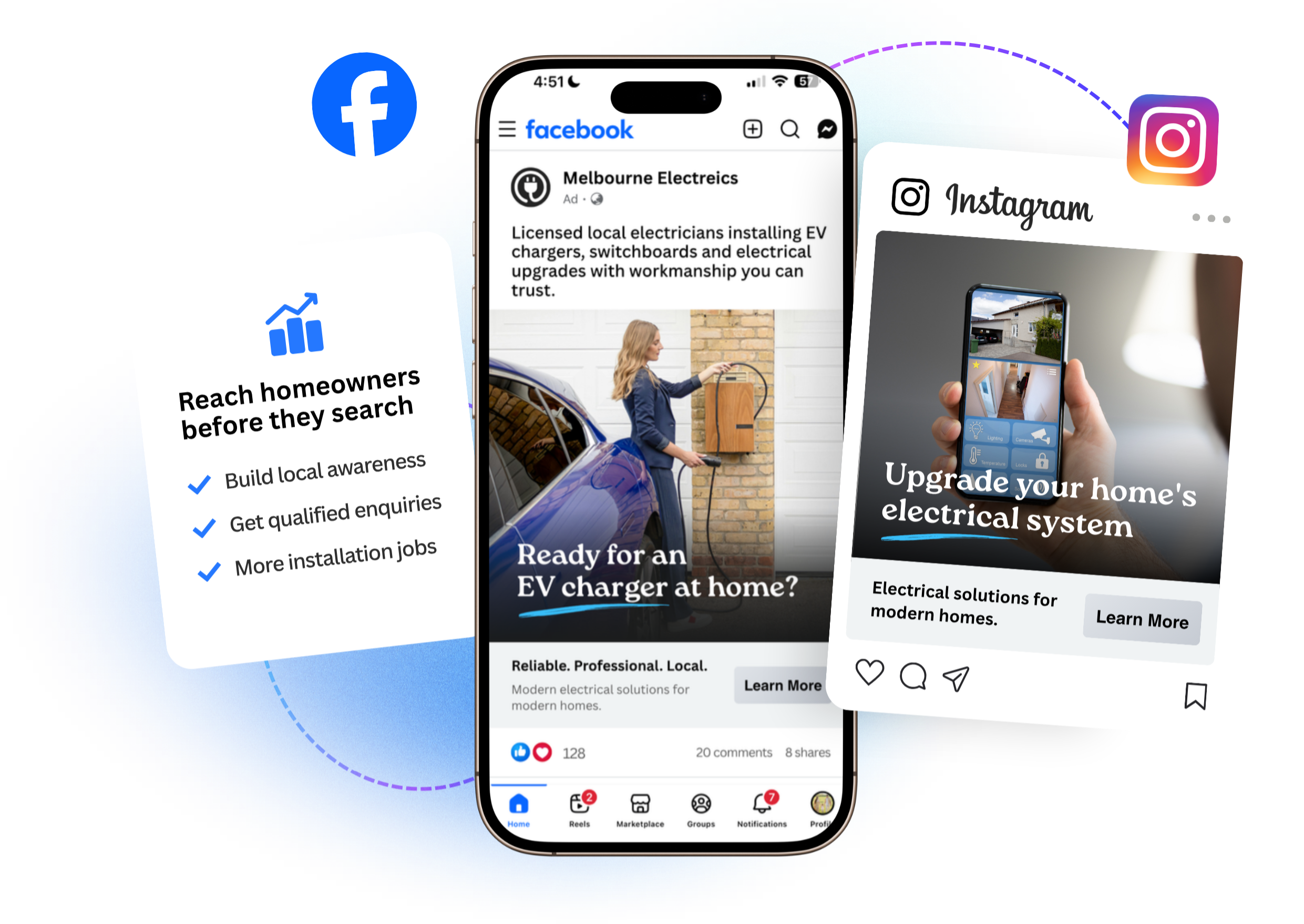
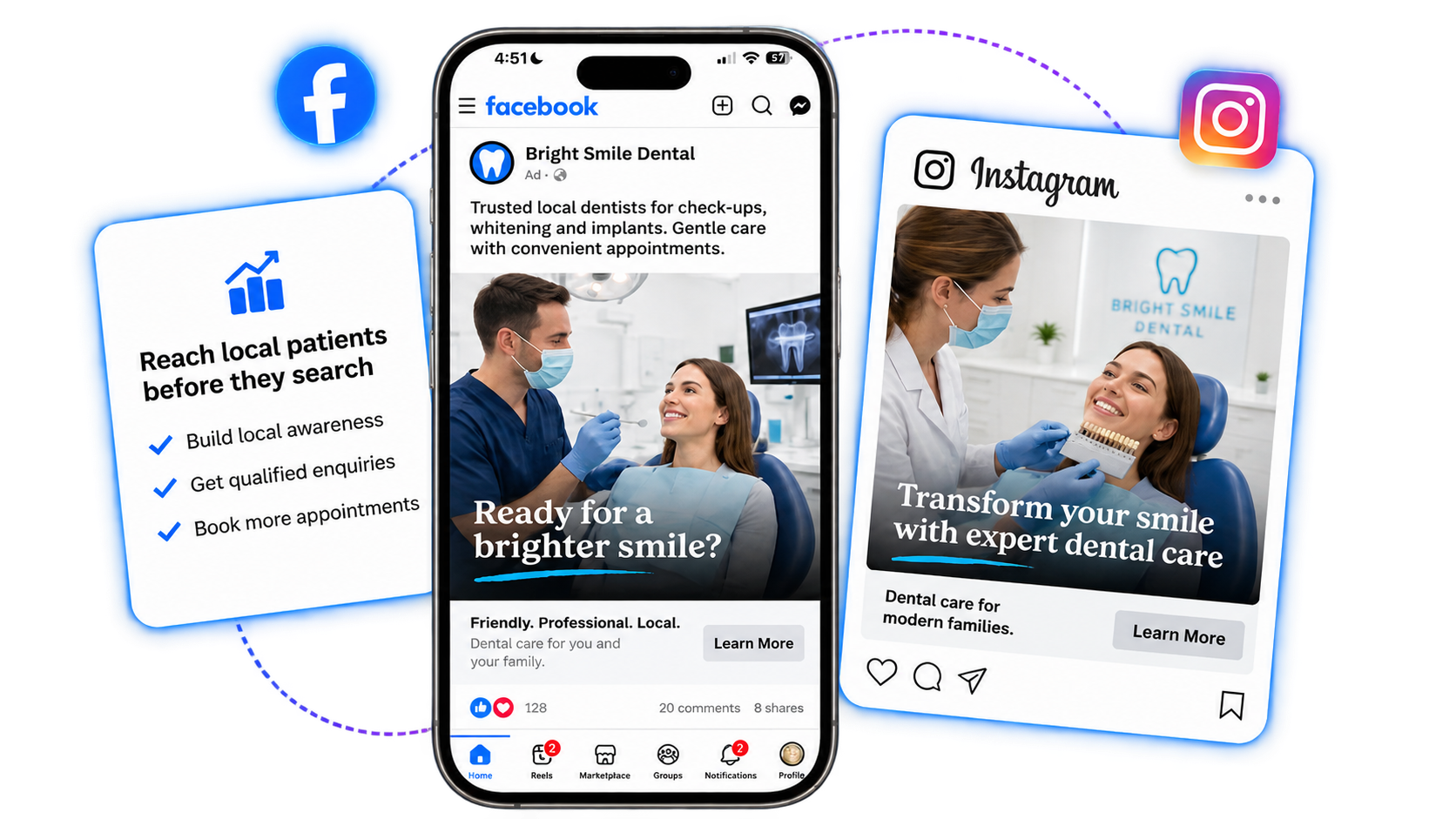
People do not always choose a dental practice the moment they need treatment. They notice the team, learn what to expect and return when the timing feels right. We create Facebook and Instagram campaigns that help dental practices become familiar, explain services clearly and turn attention into suitable patient enquiries.
In-house creative
Transparent reporting
97% of consumers read online reviews before choosing a local business
BrightLocal, Local Consumer Review Survey 2026
The Australian Dental Opportunity
A Large Market, but Trust Is Built Practice by Practice
Dental care is a substantial Australian service market, yet patients still compare practices locally. They weigh location, appointment availability, fees, communication, the clinic environment and whether the team feels approachable. Facebook and Instagram give a practice space to show those signals before a person is ready to search or book.
$13.2 BILLION
Estimated total expenditure on dental services in Australia in 2023-24
Australian Institute of Health and Welfare, updated August 2026
54%
Australians aged 15 and over who saw a dental professional in 2024-25
Australian Institute of Health and Welfare, updated August 2026
These figures describe the scale of dental care in Australia. They do not predict campaign results, which depend on location, competition, service mix, website quality, budget and how effectively enquiries are handled.
Why Facebook and Instagram Work for Dental Practices
Google Ads and Facebook Ads solve two different problems, and a campaign that treats them the same way tends to underperform on both
Build Familiarity Before Someone Is Ready to Book
Google Ads captures people who are already searching. Meta Ads creates and develops demand while people browse Facebook and Instagram. That makes the channel especially useful for introducing a practice, explaining a service and staying memorable through a longer consideration period.
Show the People Behind the Practice
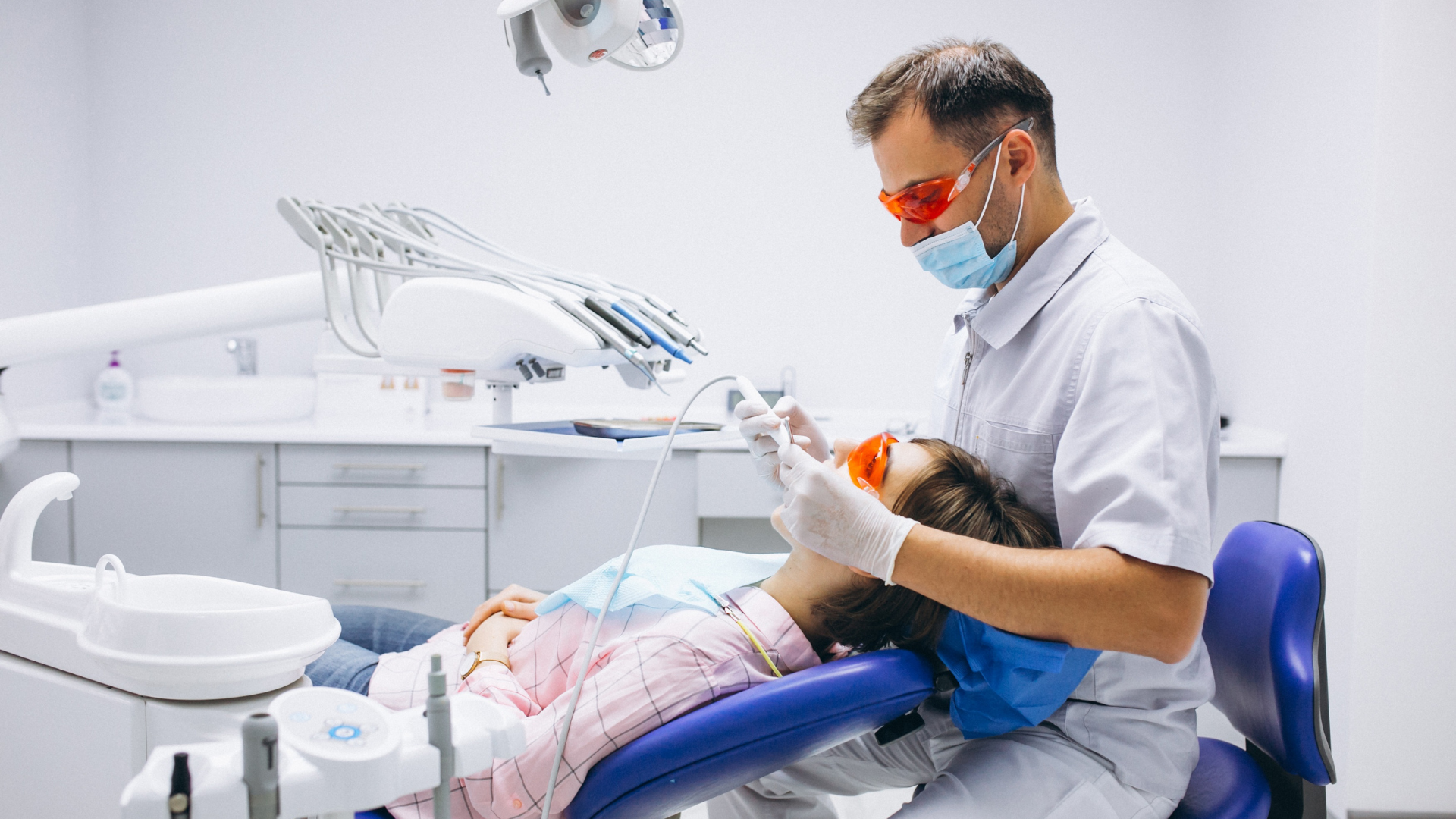
Authentic photography and short video can introduce clinicians, explain the appointment experience and show the practice environment. This is more credible than generic stock imagery and gives prospective patients useful context without relying on testimonials about clinical outcomes.
Explain Services Without Diagnosing the Viewer
Educational creative can cover check-ups, family dentistry, implants, orthodontics or other services the practice genuinely provides. The copy should describe options and next steps without implying that Meta knows a viewer has a dental condition or promising a particular result.
Create a Clear Route to Enquire
Campaigns can direct people to a focused landing page, a privacy-conscious instant form or an appointment-request pathway. The form should ask only for the minimum information needed to make contact. Clinical history, symptoms and treatment details belong in the practice's approved systems, not ad-platform fields.
Creative That Makes Dental Marketing More Human
Practice and Team Introductions
Short clinician introductions, team photography and a guided practice tour can reduce uncertainty and help local audiences recognise the clinic. Keep the emphasis on who the practice serves, how appointments work and what people can expect.
Educational Video and Service Explainers
A clinician-led video can explain the consultation process, treatment stages, fees or payment options, and who may need an individual assessment. Good dental creative informs first, then offers a simple next step. It does not use fear, shame or exaggerated before-and-after expectations.
Local Convenience and Access
Opening hours, parking, public transport, languages spoken, accessibility information and the suburbs served can be strong creative themes. These details help people assess practical fit without making clinical claims.
Placement-Specific Creative
Reels, Stories and Feed placements do not behave the same way. We plan the hook, framing, captions and call to action for each format, then rotate creative before fatigue erodes performance. Westend Digital can produce original brand photography and video in-house where scoped.
Healthcare advertising principle: The goal is not to pressure people into treatment or suggest that the platform knows their health status. It is to introduce an appropriate practice, explain services accurately and offer a clear, voluntary next step.
Meta Ads for Cosmetic and Aligner Treatments
Cosmetic dentistry and clear aligner treatments often involve a longer decision-making process than routine dental care. Meta campaigns can introduce the treatment, answer common questions through educational creative and use dentist-led videos to explain consultations, treatment stages and what patients can expect. The goal is to build familiarity and trust over time, then guide interested people toward a consultation or enquiry without relying on testimonials, exaggerated claims or misleading before-and-after expectations.
A Dental Meta Ads Structure Built Around Objectives
Local awareness
introduce the practice to adults in the service area with useful, recognisable brand creative.
Practice consideration
use team, environment and “what to expect” content to help people compare local options.
Service education
explain general, family, implant, orthodontic or other services on separate creative tracks.
Patient enquiries
use a focused landing page or privacy-conscious lead form to invite appointment requests.
Creative testing
compare hooks, formats and calls to action without changing every variable at once.
Follow-up and nurture
connect enquiries to prompt, permission-based follow-up in the practice's approved systems.
Local targeting, age eligibility, placement, frequency, form completion and enquiry quality are reviewed together. Health-sensitive audience strategies are never assumed to be available: retargeting, customer lists and lookalikes require a current Meta policy and privacy review before use.
Common Problems With Dental Facebook Ads
Dental campaigns often waste budget or create compliance risk when they use generic creative, weak follow-up or targeting built for an ordinary retail account.
Stock images make the practice look interchangeable and give viewers no reason to remember the brand.
Copy addresses a person as if the advertiser knows they have tooth pain, missing teeth or another medical condition.
Patient reviews or clinical testimonials are republished in ads even though testimonial advertising is prohibited for regulated health services.
Treating Facebook like Google Ads and expecting immediate high-intent demand instead of building trust first.
Pixel or Conversions API data includes treatment names, symptoms, diagnoses or sensitive URL parameters that should not be sent to Meta.
Retargeting, customer lists or lookalikes are used without a current review of Meta policy, privacy obligations and the clinic's lawful data handling.
Our approach combines a clear objective, original creative, privacy-aware measurement, prompt lead handling and structured testing. The practice retains responsibility for clinical accuracy and final advertising approval.
Our Process
Discover
Audience mapping, competitor audit, and goal alignment for your service area.
Strategy
Channel selection, campaign structure, and KPI framework.
Execute
Campaigns live, creative and copy built in-house.
Report
Live dashboards and plain-English reporting, not narratives.
Refine
Kill what does not work, scale what does.
What's Included
Meta Business Manager and Ads Manager audit, setup or restructure
Meta Pixel, Conversions API and GA4 review using only privacy-appropriate events and parameters
Local audience and placement strategy reviewed against current Meta health and data rules.
Campaign architecture across awareness, traffic, leads or conversion objectives where appropriate
Ad copywriting, hooks and specific calls to action for each creative variant
Creative strategy and production brief for Facebook Feed, Instagram Feed, Stories and Reels
Original photography and video production through Westend Photography where scope
Privacy-conscious instant form or landing-page recommendations with minimal data collection
Weekly budget, placement and creative optimisation
Compliance-aware copy checklist, practitioner sign-off workflow, dedicated account management and no lock-in contracts
In-house creative
Transparent reporting
Compliance-aware strategy
FAQs
Frequently Asked Questions
How much should a dental practice spend on Facebook Ads?
The right starting budget depends on service area, campaign objective, creative volume, treatment focus and the cost of generating enough enquiries to learn. Westend Digital cites $1,000 to $2,500 per month as a workable starting ad-spend range for a typical local service business, but a dental recommendation should be based on the clinic's market and capacity rather than a universal figure.
How quickly can Facebook Ads generate dental enquiries?
Campaigns can begin delivering after account, billing and policy review. Westend Digital describes a one-to-two-week learning phase, with more stable patterns commonly emerging after the early learning period. Dental campaign results are not guaranteed and should be evaluated using real enquiry quality, creative response and follow-up data over time.
What is the difference between Google Ads and Facebook Ads for dentists?
Google Ads primarily captures existing demand from people actively searching. Facebook and Instagram can build demand and familiarity while people browse. A dental practice may use Google for urgent or high-intent searches and Meta for educational creative, local awareness and longer-consideration services. The right mix depends on the clinic's goals.
Which dental services work well on Facebook and Instagram?
Meta can support general and family dentistry, practice introductions and education around higher-consideration services such as implants or orthodontics. The strongest starting point is usually a service the practice wants to grow, has capacity to deliver and can explain with useful original creative. Clinical suitability must always be assessed individually by the practice.
Can patient reviews or testimonials be used in dental ads?
AHPRA states that testimonials about the clinical aspects of a regulated health service must not be used in advertising. A practice should not republish or feature those reviews in its Meta ads or clinic-controlled landing pages. Independent third-party reviews are treated differently, but the practice should obtain its own compliance advice.
Can dental ads use before-and-after images?
Before-and-after material carries a high risk of being misleading if images are edited, atypical, poorly explained or create an unreasonable expectation. Any proposed use needs practitioner and legal review, informed consent, consistent conditions and clear context. A safer creative foundation is often the team, practice experience and factual service education.
Do you produce dental ad creative?
Yes. Westend Digital develops the creative brief and can produce original photography and video through its in-house team and Westend Photography where scoped. We can also adapt suitable assets supplied by the practice into placement-specific versions for Feed, Stories and Reels.
Can campaigns focus on specific Melbourne suburbs?
Yes. Campaigns can be planned around the suburbs or radius a practice can realistically serve, subject to Meta's available location controls and current health-related advertising policies. The landing page should also make the clinic's location, access and opening hours clear.